
Sleep Disorders: Causes, Symptoms and Treatment
Sleep disorders are conditions that affect the quality, timing, or amount of sleep a person gets. These issues can lead to daytime fatigue, poor concentration, and other health problems.
1. Causes of Sleep Disorders
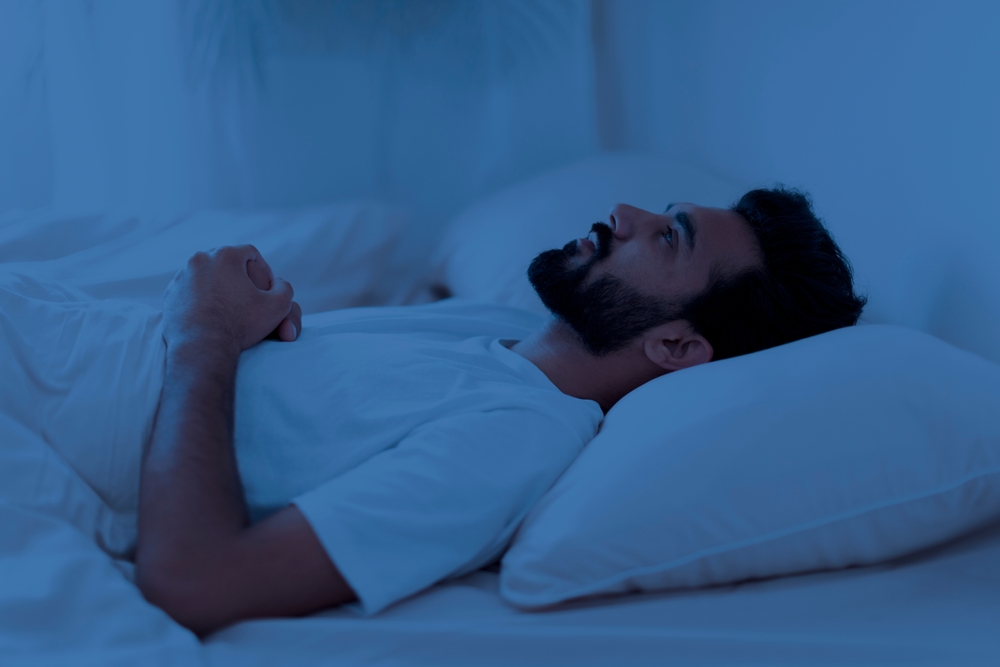
Sleep disorders can be caused by a variety of factors, including:
✅ Stress & Anxiety – Worrying too much can prevent deep sleep.
✅ Poor Sleep Habits – Irregular bedtime routines or excessive screen time.
✅ Medical Conditions – Asthma, chronic pain, acid reflux, or heart disease.
✅ Mental Health Issues – Depression, bipolar disorder, or PTSD.
✅ Substance Abuse – Alcohol, caffeine, nicotine, and certain medications.
✅ Genetics – Some sleep disorders run in families.
✅ Shift Work – Irregular work schedules disturb the sleep-wake cycle.
2. Types of Sleep Disorders
1️⃣ Insomnia (Difficulty Falling or Staying Asleep)
- Symptoms: Trouble falling asleep, waking up too early, daytime sleepiness.
- Causes: Stress, anxiety, caffeine, or poor sleep habits.
- Treatment: Sleep hygiene, cognitive behavioral therapy (CBT), and relaxation techniques.
2️⃣ Sleep Apnea (Breathing Stops During Sleep)
- Symptoms: Loud snoring, choking, gasping for air, daytime fatigue.
- Causes: Obesity, blocked airways, weak throat muscles.
- Treatment: CPAP machine, weight loss, surgery in severe cases.
3️⃣ Restless Leg Syndrome (RLS) (Uncontrollable Leg Movements at Night)
- Symptoms: Urge to move legs, tingling sensations, difficulty sleeping.
- Causes: Iron deficiency, pregnancy, nerve disorders.
- Treatment: Iron supplements, lifestyle changes, medication.
4️⃣ Narcolepsy (Sudden Sleep Attacks & Excessive Daytime Sleepiness)
- Symptoms: Sudden sleep episodes, muscle weakness (cataplexy), hallucinations.
- Causes: Neurological disorder, lack of hypocretin (a brain chemical).
- Treatment: Stimulants, scheduled naps, lifestyle adjustments.
5️⃣ Circadian Rhythm Disorders (Sleep Cycle Disturbances)
- Types:
🔹 Delayed Sleep Phase Syndrome (DSPS) – Night owls who struggle to wake up early.
🔹 Jet Lag – Temporary sleep disruption due to travel across time zones.
🔹 Shift Work Sleep Disorder – Caused by irregular work schedules. - Treatment: Light therapy, melatonin supplements, structured sleep schedules.
6️⃣ Parasomnias (Unusual Behaviors During Sleep)
- Examples: Sleepwalking, night terrors, talking in sleep, teeth grinding.
- Causes: Stress, genetics, medications.
- Treatment: Stress management, medication in severe cases.
3.Self-Help Strategies for Better Sleep
🔹 Improving Sleep Hygiene
✅ Stick to a consistent sleep schedule (same bedtime and wake-up time).
✅ Create a relaxing bedtime routine (reading, deep breathing, warm bath).
✅ Avoid screens (TV, phone, laptop) at least 30-60 minutes before bed.
✅ Keep the bedroom cool, dark, and quiet for better sleep.
✅ Use your bed only for sleep (avoid working or eating in bed).
🔹 Diet & Lifestyle Changes
✅ Avoid caffeine, nicotine, and alcohol before bedtime.
✅ Exercise regularly but not too close to bedtime.
✅ Eat a light dinner – avoid heavy meals at night.
✅ Stay hydrated but limit fluids before bed to avoid waking up at night.
🔹 Relaxation Techniques
✅ Meditation & Deep Breathing – Reduces stress and calms the mind.
✅ Progressive Muscle Relaxation (PMR) – Relaxes the body before sleep.
✅ Listening to Soft Music or White Noise – Helps block distractions.
🔹 Alternative Therapies
✅ Melatonin Supplements – Useful for jet lag or circadian rhythm disorders.
✅ Aromatherapy (Lavender Oil, Chamomile Tea) – Naturally promotes relaxation.
✅ Acupressure or Yoga – Helps with sleep-inducing relaxation.
4. When to See a Doctor?

Seek professional help if:
❌ You have trouble sleeping for more than 3 weeks.
❌ You feel excessively tired during the day despite enough sleep.
❌ You experience snoring, choking, or breathing pauses during sleep.
❌ Your sleep problems affect your work, mood, or daily life.
5. Treatment Options for Sleep Disorders

👨⚕️ Cognitive Behavioral Therapy for Insomnia (CBT-I) – Helps break bad sleep habits.
💊 Medications – Sedatives, melatonin, or sleep aids prescribed by doctors.
🌞 Light Therapy – Helps regulate circadian rhythm disorders.
🦷 Dental Devices – Used for mild sleep apnea.
🏥 Surgery – For severe cases of sleep apnea or airway blockages.
6.Relaxation Exercises for Better Sleep 🌙
🔹 1. 4-7-8 Breathing Method (Helps fall asleep faster)
- Inhale through your nose for 4 seconds.
- Hold your breath for 7 seconds.
- Exhale slowly through your mouth for 8 seconds.
- Repeat 4-5 times before sleeping.
🔹 2. Progressive Muscle Relaxation (PMR)
- Tense and relax each muscle group, starting from your toes and moving upward.
- Helps release tension and prepare your body for sleep.
🔹 3. Guided Meditation & Visualization
- Imagine a peaceful place (beach, forest, or quiet garden).
- Focus on the sights, sounds, and sensations to calm your mind.
🔹 4. Listening to White Noise or ASMR
- White noise, rain sounds, or soft whispers help block distractions.
- Apps like Noisli or Rain Rain Sleep Sounds can be helpful.
🔹 5. Yoga for Sleep
- Gentle poses like Child’s Pose, Legs-Up-the-Wall, and Seated Forward Bend promote relaxation.
- Practicing before bed can improve sleep quality.
7.Natural Supplements for Sleep 🌿💊
✅ 1. Melatonin (Best for Jet Lag & Shift Work Sleep Disorder)
- A natural hormone that regulates the sleep-wake cycle.
- Take 1-5 mg 30-60 minutes before bedtime.
✅ 2. Magnesium (Best for Relaxation & Stress Relief)
- Helps relax muscles and reduce stress.
- Found in foods like almonds, spinach, and bananas.
✅ 3. Valerian Root (Best for Insomnia & Anxiety-Related Sleep Issues)
- Herbal supplement that promotes deep sleep.
- Take 300-600 mg before bed.
✅ 4. Chamomile Tea (Best for Mild Sleep Issues)
- Contains apigenin, which has calming effects.
- Drink 30-60 minutes before bedtime.
✅ 5. L-Theanine (Best for Relaxing the Mind & Reducing Anxiety)
- Found in green tea, it promotes relaxation without drowsiness.
- Take 100-200 mg before bed.
Final Tips for Better Sleep
✔ Keep your bedroom cool and dark.
✔ Avoid caffeine and heavy meals at least 4-6 hours before sleep.
✔ Reduce screen time 1 hour before bed.
✔ Try a sleep journal to track patterns and identify issues.